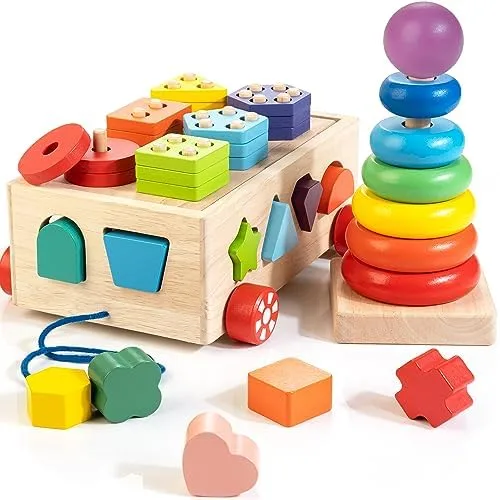
Montessori Wooden Sorting & Stacking Set
Beautiful wooden toys based on Montessori principles. Promotes problem-solving skills, color recognition and fine motor skills.
Read ReviewToys that stimulate toddlers' curiosity and support their growing skills. From walking to talking - every moment is a learning opportunity.
What your toddler learns and which toys support that
How toys stimulate each skill
Expert-tested and parent-approved
Beautiful wooden toys based on Montessori principles. Promotes problem-solving skills, color recognition and fine motor skills.
Read Review
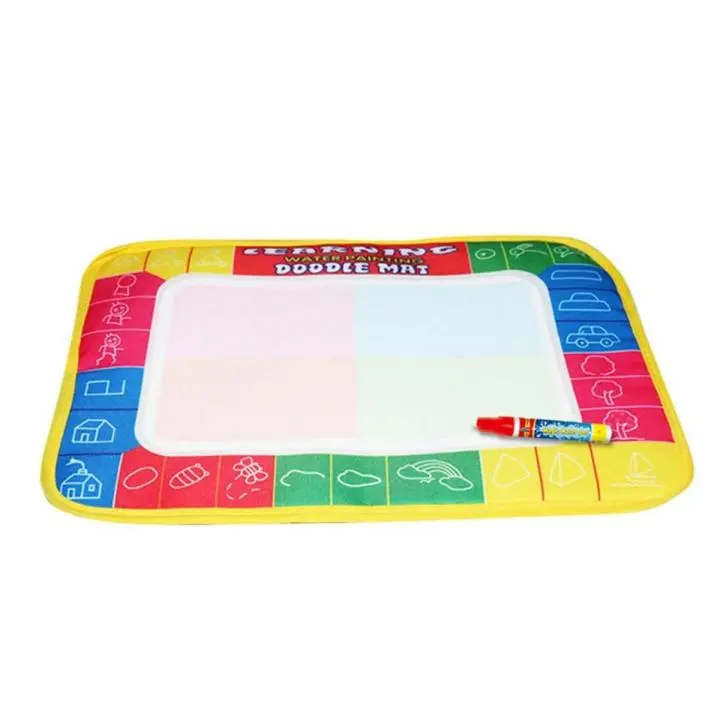
Draw with water - no stains! Large mat for creative expression. Reusable and safe. Stimulates creativity and fine motor skills.
Read Review
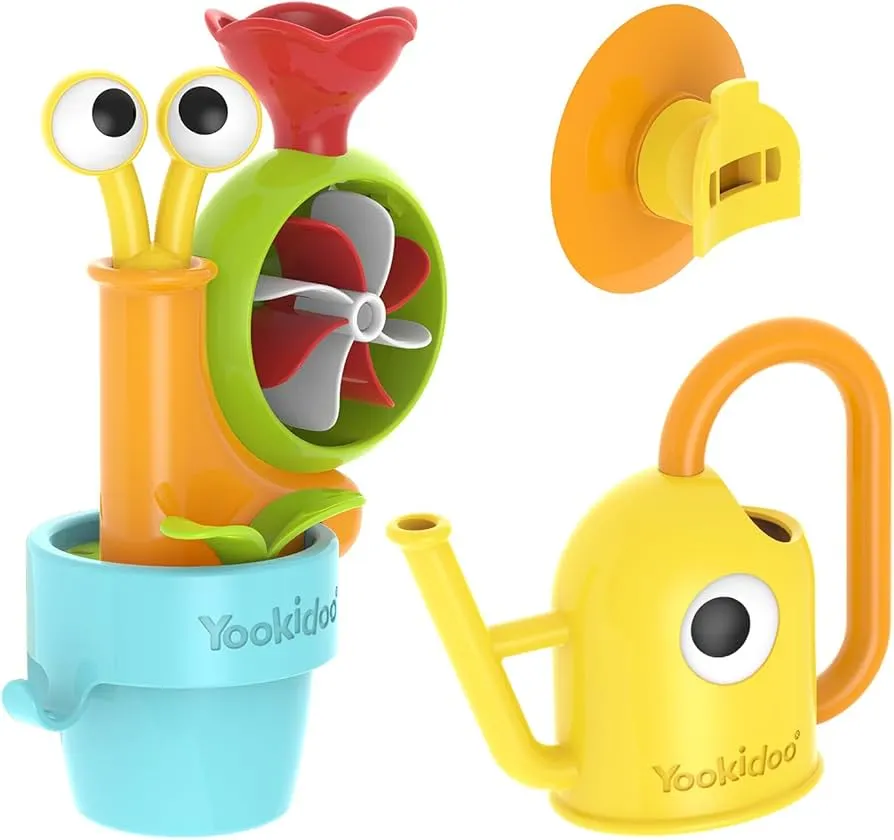
Interactive bath toy with surprising pop-up action. Makes bath time fun and educational. Teaches cause and effect playfully.
Read Review
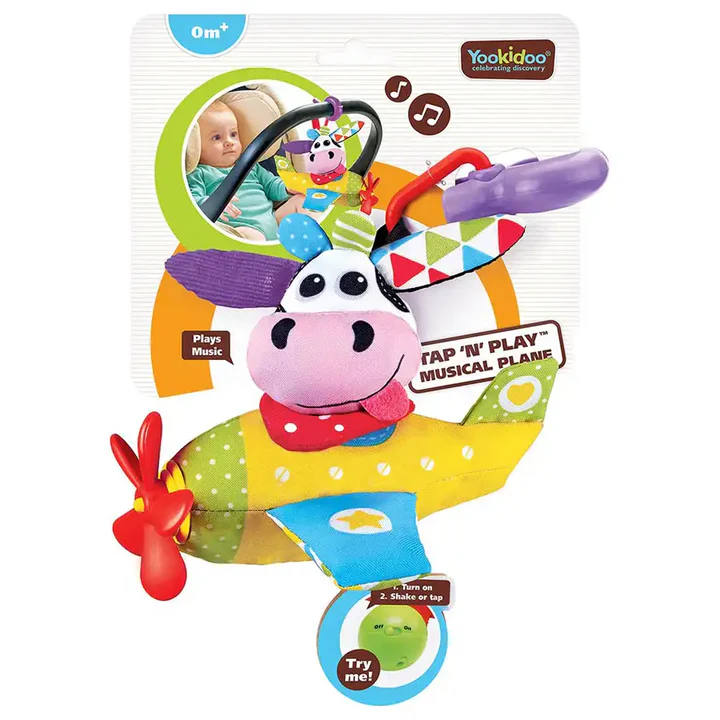
Musical airplane with tap function. Various melodies and sound effects. Stimulates sense of rhythm and hand-eye coordination.
Read ReviewToddlers still put everything in their mouth
Toddlers throw and bang toys
BPA-free, lead-free, phthalate-free
Toddlers climb on everything!
Store half away and swap every 2 weeks. "New" toys become interesting again!
Every toddler is unique. Watch what they're drawn to.
Too many choices overwhelm. 3-4 toys at a time is enough.
Answers to the most common parent questions
Absolutely normal! Throwing is how toddlers learn about gravity, distance and cause-effect. Give them soft balls or beanbags to throw, and explain which toys shouldn't be thrown. This is a phase that will pass.
Around 12-15 months, toddlers can start with simple knob puzzles (1 piece per shape). By 18-24 months, 2-4 piece puzzles are suitable. Choose puzzles with large pieces and recognizable images. Puzzling is excellent for problem-solving thinking!
Toddlers learn best through play - it IS their "work"! Aim for at least 3 hours of active play spread throughout the day, including free play, guided activities and outdoor play. Variety is important: alternate between quiet and active play.
No, this is completely normal! Toddlers don't really understand the concept of "sharing" yet - they're still egocentric. This develops around 3-4 years. Practice with "taking turns" and set a good example, but don't expect perfect sharing at this age.
The WHO advises no screen time for children under 2, and maximum 1 hour per day for ages 2-5. Hands-on toys are much more valuable for development. If you do allow screens, choose educational content and watch together.
Discover toys for every developmental stage of your child.