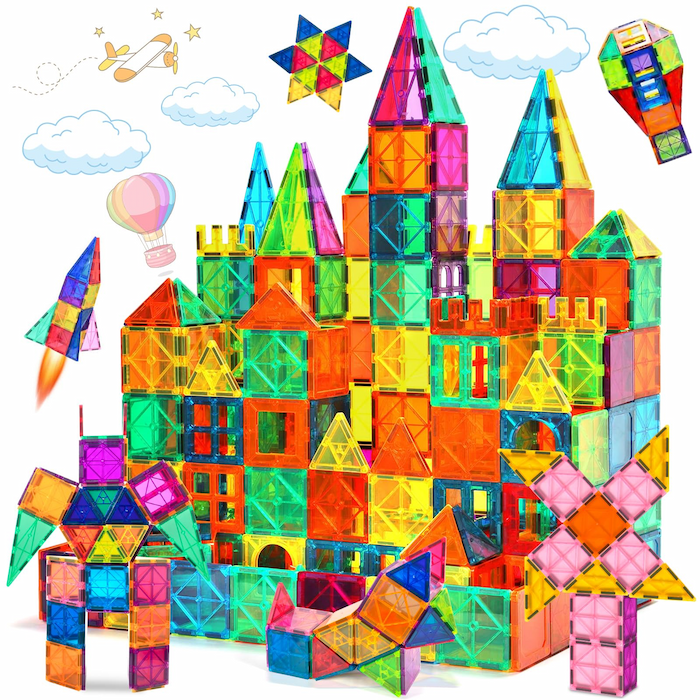
84 Pieces Magnetic Building Blocks Toy
Colourful magnetic building blocks that enable endless creations. Stimulates spatial awareness, creativity and STEM skills. Safe, sturdy magnets.
Read ReviewToys that nurture the boundless imagination of preschoolers and prepare them for school years. From building to role-play - learning through play.
What to expect from 3-4 year olds
Targeted toys for every skill
Tested and approved by our preschooler panel
Colourful magnetic building blocks that enable endless creations. Stimulates spatial awareness, creativity and STEM skills. Safe, sturdy magnets.
Read Review
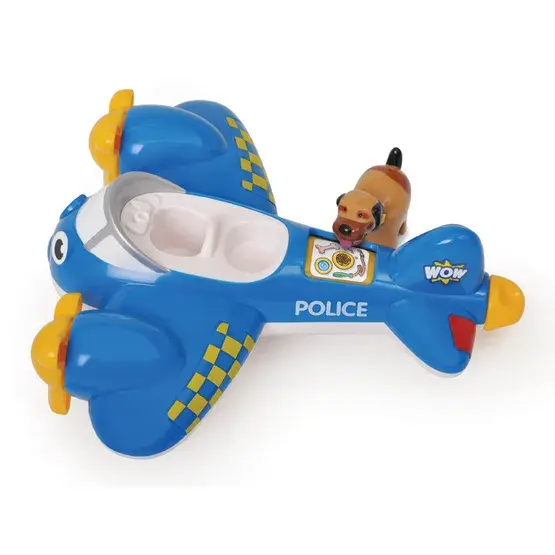
Battery-free police plane with movable parts. Encourages imaginative play and storytelling. Sturdy and durable for active play.
Read Review
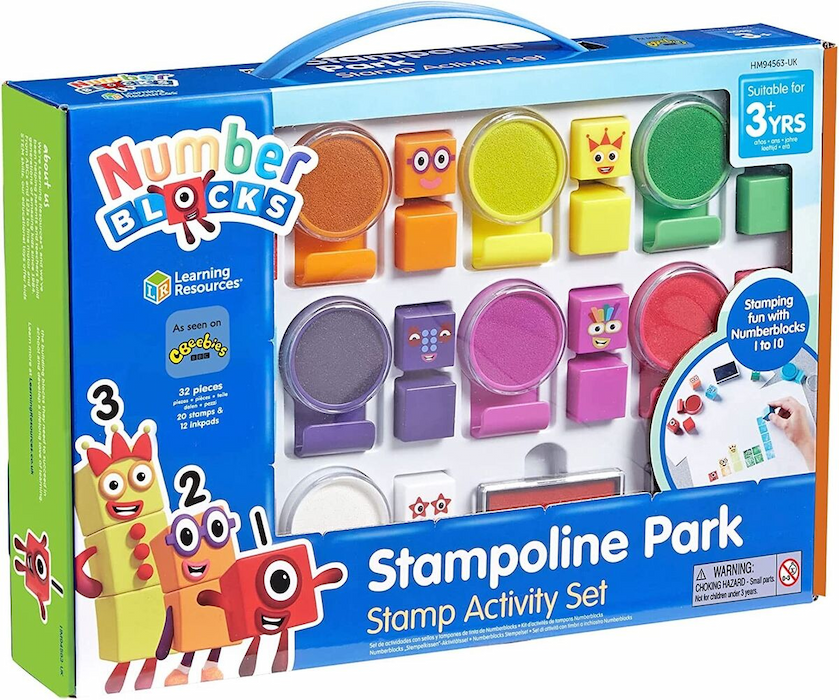
Based on the popular Numberblocks series. Teaches numbers and counting in a playful way. Combines stamping with arithmetic.
Read Review
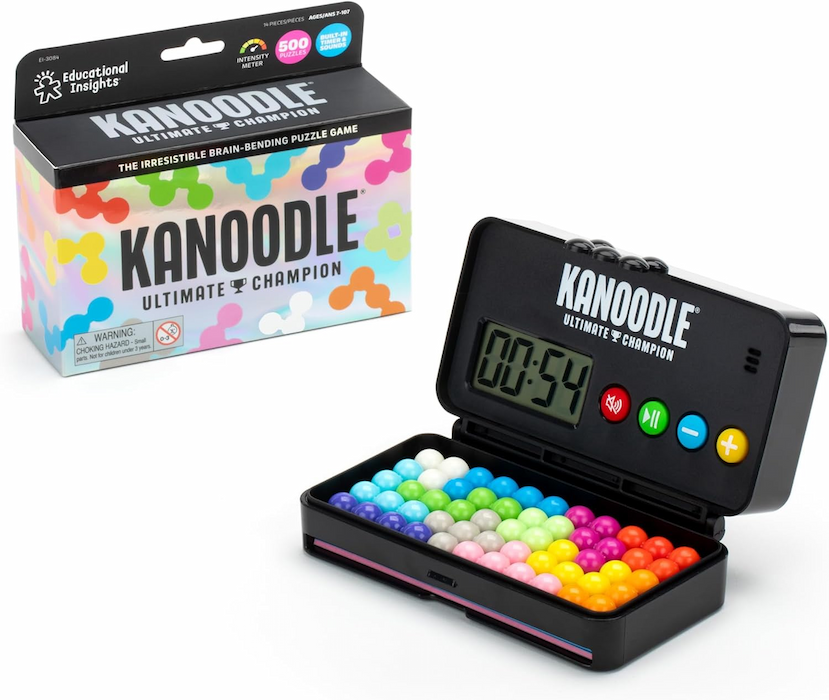
Brain-teasing puzzle game with 50+ challenges. Develops critical thinking and spatial awareness. Compact for travel.
Read Review
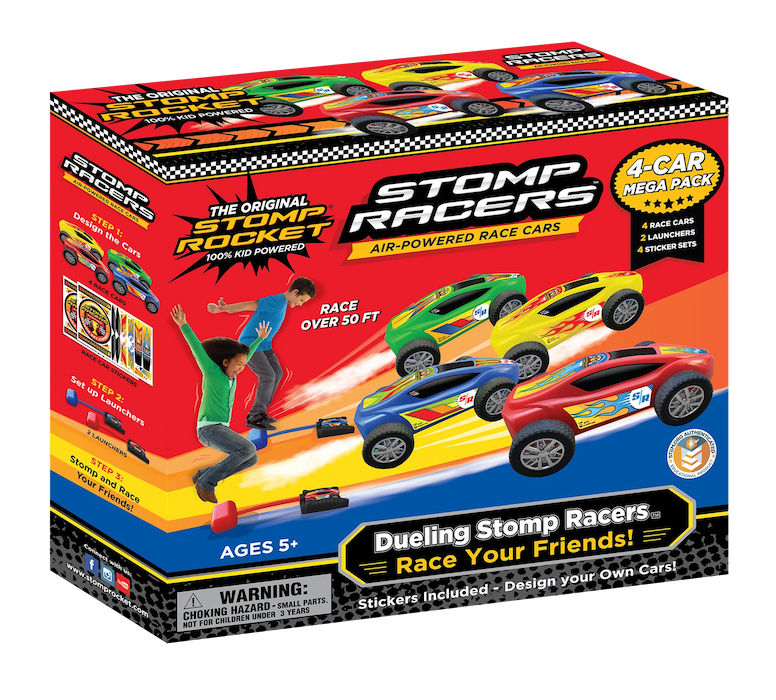
Jump and launch your race car! 100% kid-powered, no batteries needed. Combines physical activity with STEM learning about force and motion.
Read Review
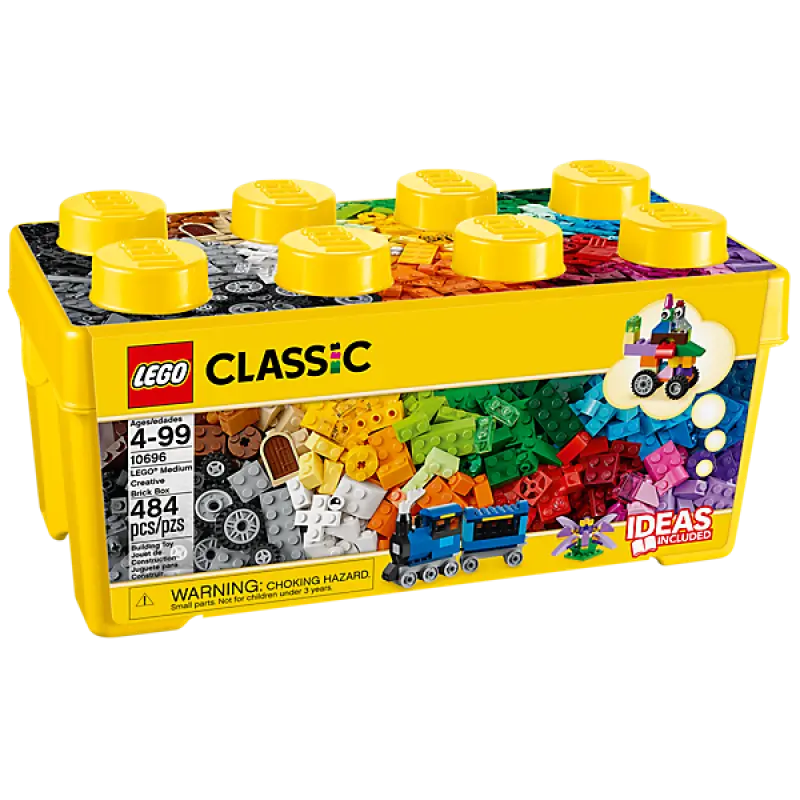
The classic for preschoolers! 484 bricks in 35 colours for endless building fun. Stimulates creativity and fine motor skills.
Read ReviewPractical advice for this dynamic age
The endless questions of preschoolers are a sign of a healthy, curious mind. Take time to answer or explore answers together.
Preschoolers thrive on predictability. Fixed play times, meals and bedtime help them feel safe and regulate their emotions.
Toys that are too difficult frustrate, too easy bore. Always check the age recommendation and choose toys that are slightly challenging.
Be the patient when they play doctor, the customer in their restaurant. Playing along strengthens your bond and stimulates language development.
Although preschoolers are more capable, stay alert to small parts that could be swallowed. Check toys regularly for damage.
Answers to popular questions about preschoolers and toys
Yes, this is completely normal and even positive! Deep play with one toy shows concentration and dedication. Preschoolers can seem obsessive with favourites, but this is how they master skills. They'll naturally move on to other toys when they're ready.
Less is more! Too many toys can be overwhelming and discourage deep play. Focus on 15-20 quality pieces that develop different skills. Rotate toys: store half away and swap every few weeks. This keeps everything "new" and interesting.
Sharing is a skill that takes time to develop. Don't force it, but practise with a timer ("You play for 5 minutes, then her"). Praise sharing when it happens. Some special toys don't need to be shared – that's okay. With practice and age, sharing becomes easier.
Toys that develop fine motor skills (building, drawing, cutting) prepare for writing. Letter and number toys introduce basic knowledge playfully. But don't underestimate open-ended toys: puzzles, building blocks and imaginative play develop problem-solving, concentration and social skills – all crucial for school success.
Start with puzzles that are slightly easier than you think. Success builds confidence! Do it together first: "Let's find the corner pieces." Praise effort, not just results: "You're not giving up, well done!" Some days are harder – if frustration becomes too great, pause and try again later.
Discover toys for every developmental stage.