Osmo Genius Starter Kit for iPad
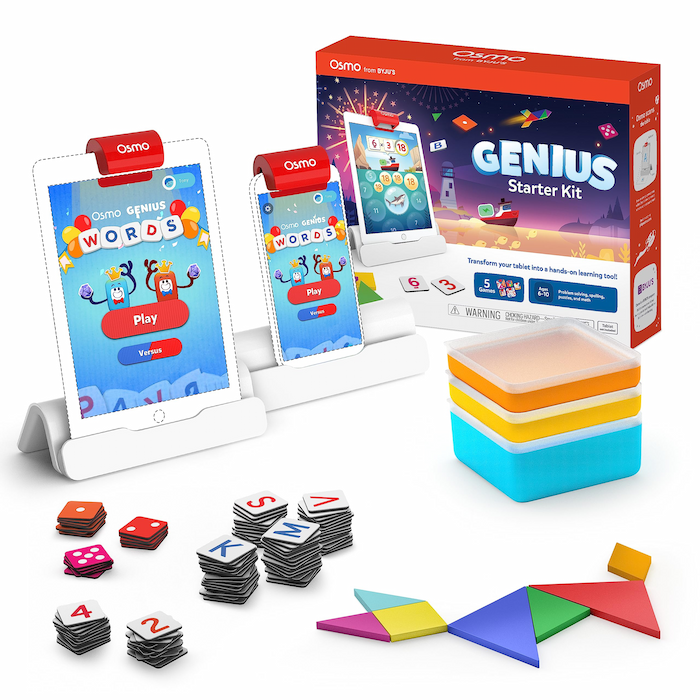
Revolutionary educational system that combines physical play with digital learning. Five games for language, maths, drawing and problem-solving.
Read ReviewToys for early school children that stimulate curiosity for learning and develop school skills through play.
Starting school opens new worlds
Most children are learning to read and write now. Letters gain meaning and first words are decoded. Writing motor skills improve rapidly.
Number understanding grows rapidly. Addition, subtraction and simple sums are learned. Logical thinking and pattern recognition develop.
Attention span grows to 20-30 minutes. Children can handle longer projects and learn to persevere through challenges.
Friendships become more important. Group play, following rules and cooperating in class develop social competencies.
Targeted toys for school success
Perfect for beginning readers and mathematicians
Revolutionary educational system that combines physical play with digital learning. Five games for language, maths, drawing and problem-solving.
Read Review
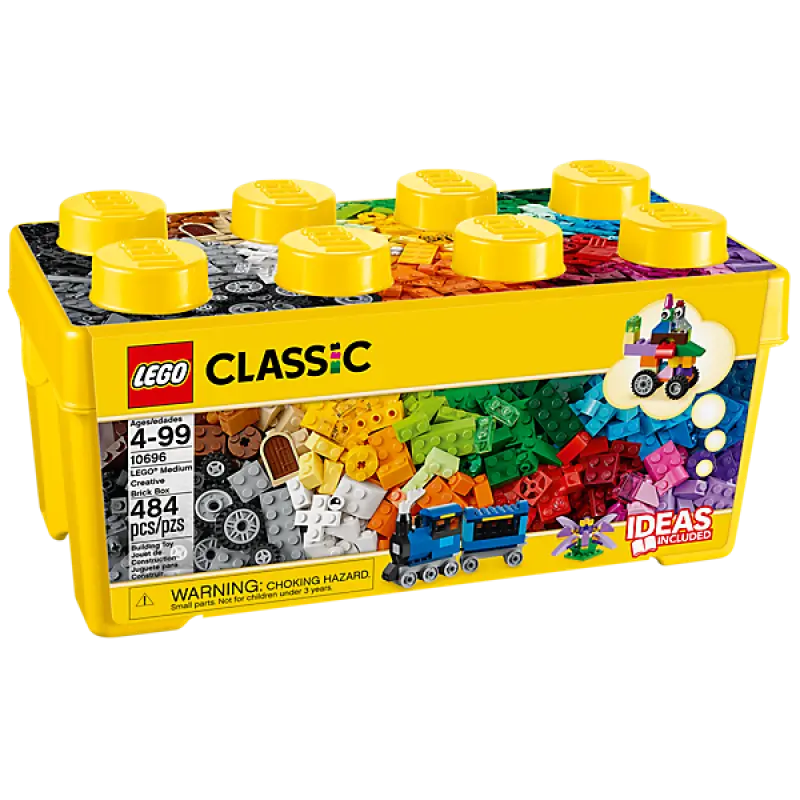
484 classic LEGO bricks in 35 colours. Endless building possibilities stimulate creativity, spatial awareness and fine motor skills.
Read Review
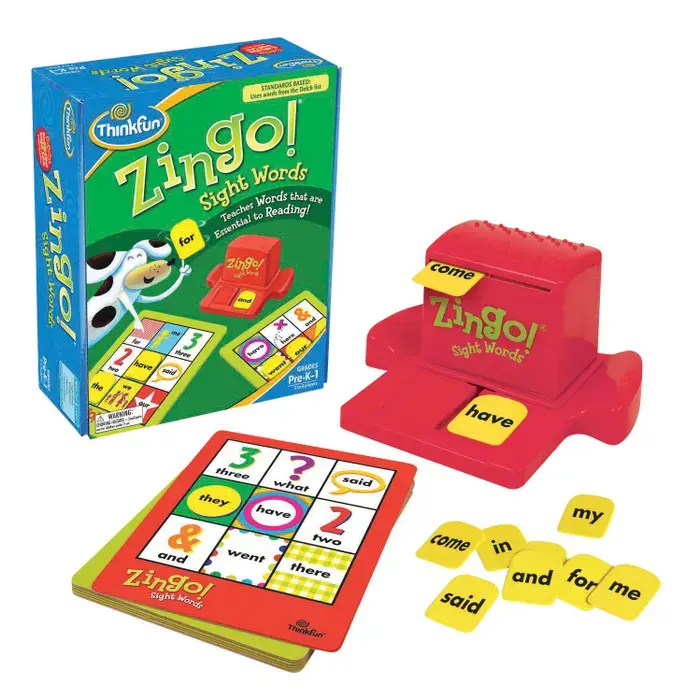
Bingo-style game that develops reading skills. Teaches recognition of common words. Perfect for beginning readers.
Read Review
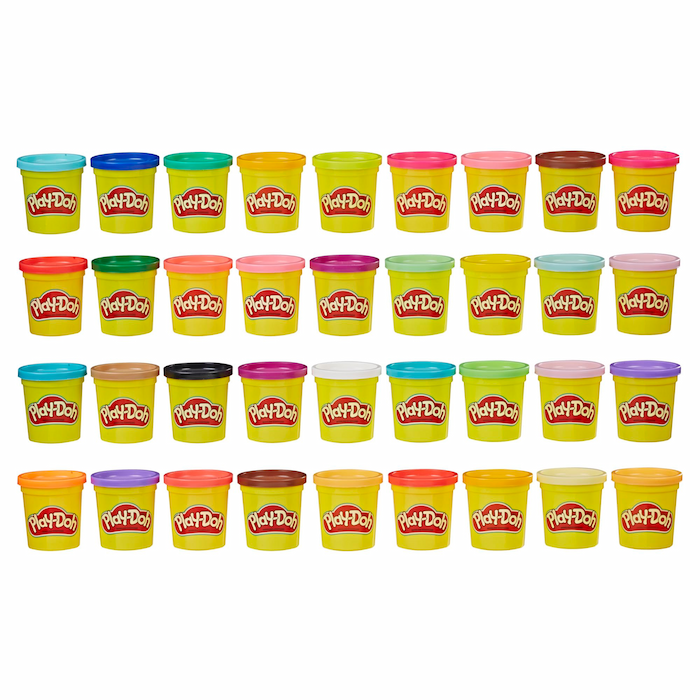
Mega-pack with 36 colours of modelling clay. Stimulates creativity and fine motor skills. Non-toxic and safe.
Read Review
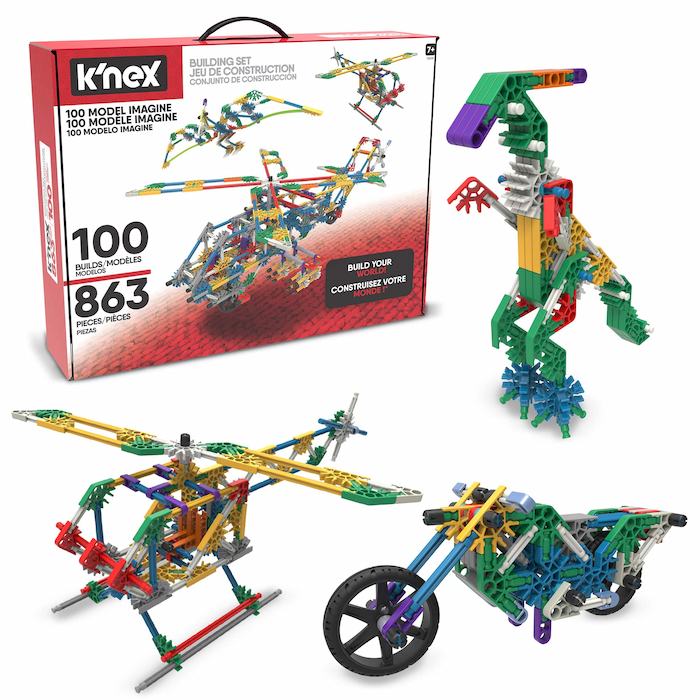
Construction system with rods and connectors. Build working models and learn about mechanics. STEM learning by doing.
Read Review
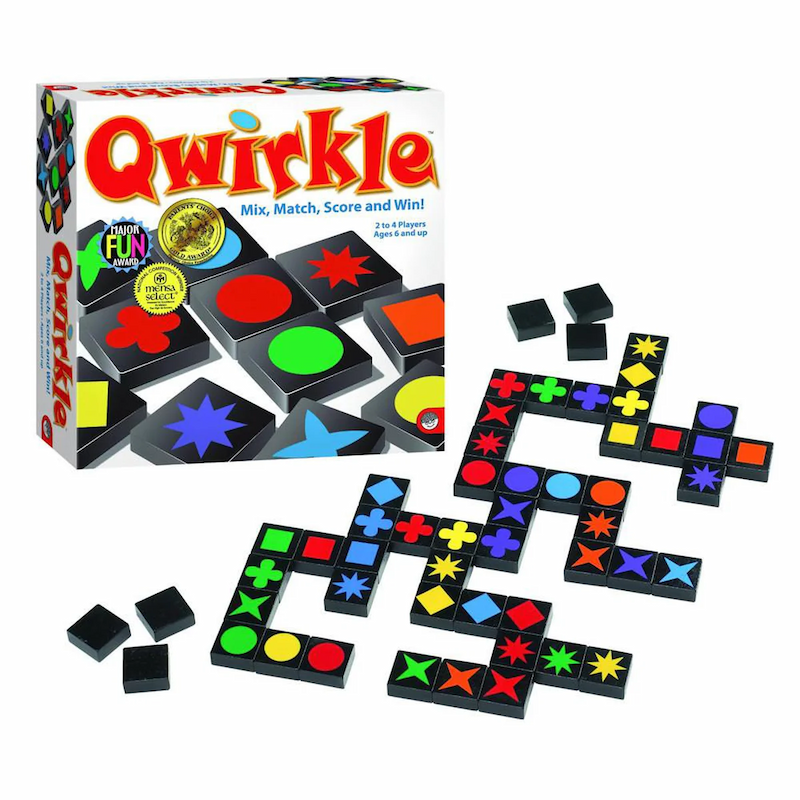
Award-winning strategy game with wooden blocks. Combines colours and shapes. Develops tactical thinking and pattern recognition.
Read ReviewSupport learning without pressure
Choose educational toys that don't feel like homework. Learning through play is more effective than forced practice.
After a school day, your child needs free play to relax. Not all playtime needs to be "educational".
Social development is just as important as academic. Board games and group play build friendships and social skills.
A regular bedtime reading ritual builds a love of reading. Let children also "read" themselves – even if they're just looking at the pictures.
Every newly learned word or solved sum is an achievement. Positive feedback builds confidence and motivation.
Answers to common questions about 5-6 year olds
Children learn at their own pace. Differences of months in reading skills are normal at this age. Focus on enjoyment of reading, not speed. If you're concerned, discuss it with the teacher. In most cases, children catch up naturally when they're ready.
Experts recommend a maximum of 1 hour per day for this age. Quality is more important than quantity – educational apps like Osmo are more valuable than passive viewing. Ensure screen time doesn't come at the expense of physical play, reading and social interaction.
Toys that build concentration (puzzles, building sets), strengthen fine motor skills (drawing, crafting), and develop social skills (board games) prepare for school. Letter recognition games and counting games give a head start, but don't push – playful exposure is enough.
LEGO is excellent for many skills: spatial awareness, fine motor skills, concentration, creativity and problem-solving. A strong interest isn't a problem – it shows focus and dedication. Introduce other activities gradually, but don't force variety if your child is happy.
Being able to accept losing is an important life skill. Model good behaviour yourself: "Too bad I lost, but it was fun!" Praise effort over results. Start with cooperative games where everyone wins or loses together. And accept that some frustration is normal – it's part of learning.
Discover toys for every developmental stage.